
Today’s Luxury: Space that Actually Works for You
This article was posted on Inquirer.net last October 03, 2026, authored by Vaughn Alviar
In Metro Manila, space has become a luxury.
As the metropolis grows denser, people are finding new ways to live well within smaller footprints: building upward, living closer to key destinations and making every square meter work harder.
Applied to the home, this creates an opportunity to think beyond size alone. A space can feel generous when it adapts easily to different parts of daily life. The experience of recent years reinforced this, as homes took on more roles and became places for work, learning, exercise and rest.
What a Space Allows You to Do
Research suggests that the question is not simply how much space a home has, but what that space allows people to do.
A 2023 study of high-rise residential communities in China found that spatial functionality had the strongest influence on outdoor-space quality, considering whether spaces could accommodate different functions, groups and activities.
A 2020 Hong Kong study of 400 flats and 340 resident responses found that satisfaction with daylighting had the most significant influence on satisfaction with the overall luminous environment.
Meanwhile, a 2021 US field study involving 20 residents associated greater access to circadian-effective light with earlier sleep onset, greater sleep regularity and higher daytime vitality.
Together, these studies suggest that homes can be appreciated not simply by square meters, but by how well those spaces support everyday life.
Vertical Gated Village
That thinking is visible in Haraya Residences, a residential project being developed jointly by Shang Properties Inc. and Robinsons Land Corp.
Located within Bridgetowne Destination Estate in Pasig City, Haraya is envisioned as a “vertical gated village” for urban living, offering one-, two- and three-bedroom cuts, along with larger Garden Villas, Garden Suites, Sky Suites and Penthouses.
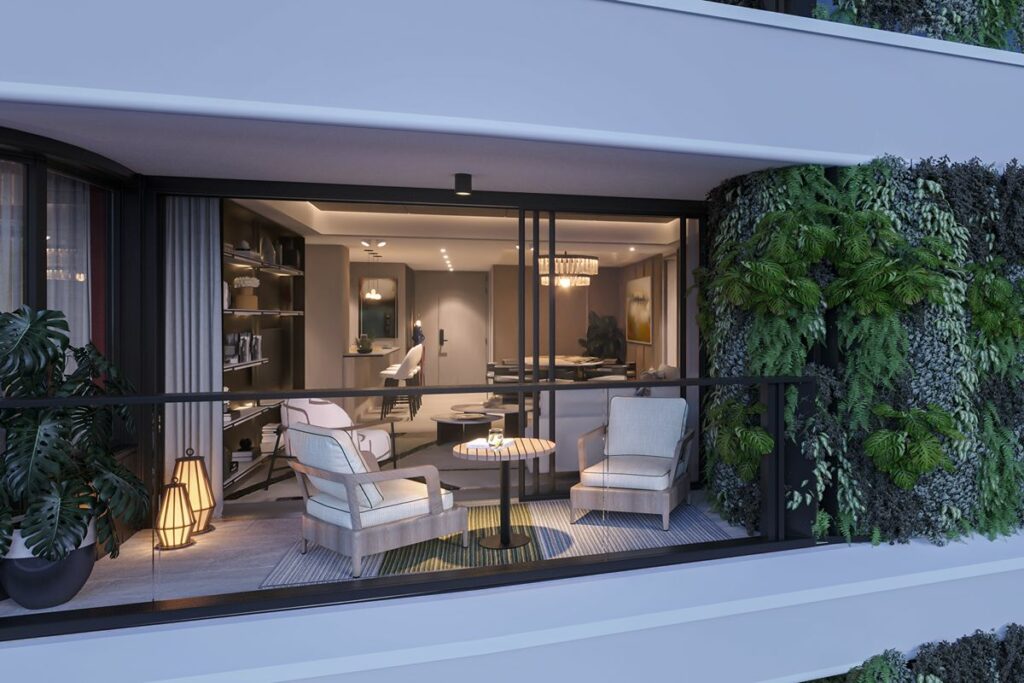
Its Italian-inspired loggia extends the home into an open air space, bringing natural light, ventilation and an indoor-outdoor quality to condominium living.
But the thinking around space extends well beyond the loggia.
Beyond the Front Door
At Haraya, home can extend beyond the front door.
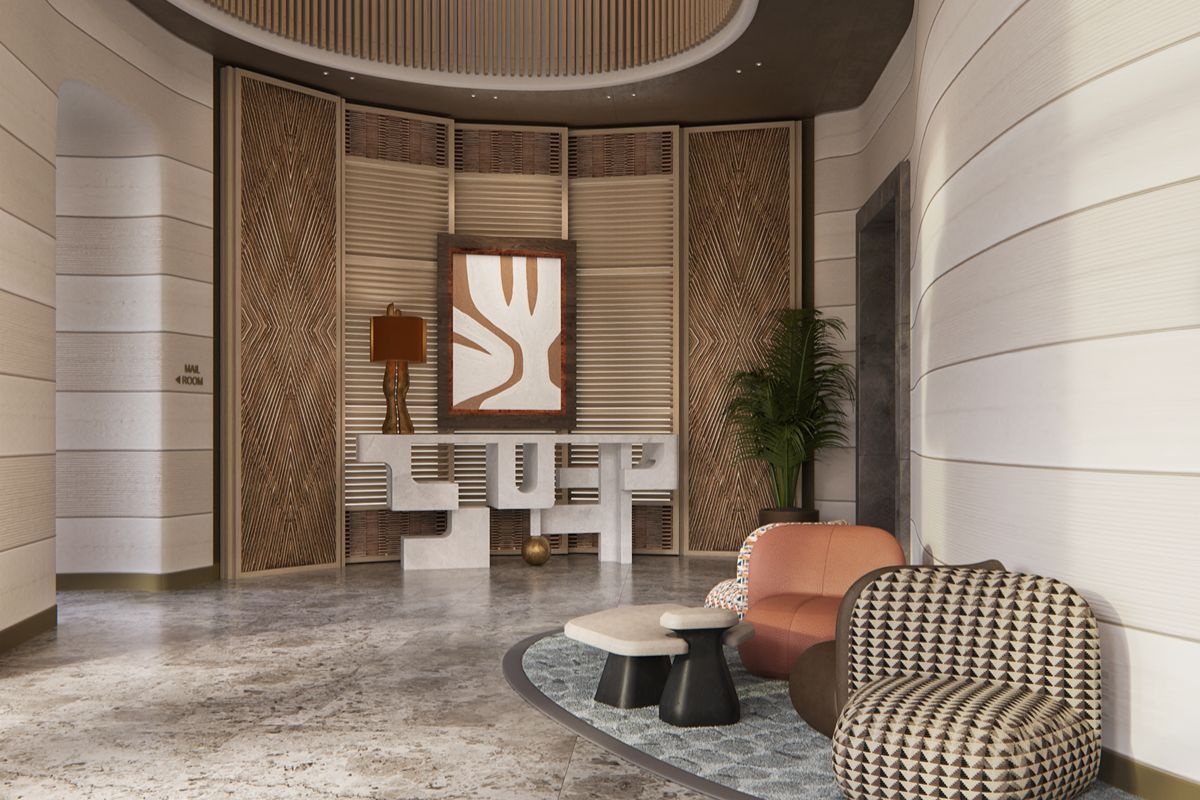
Haraya offers more than 2,500 sqm of outdoor amenities, including gardens, pools, a Jacuzzi and children’s play areas. Indoor facilities include The Veranda, The Tea Room, The Chef’s Kitchen, The Library, The Game Room, The Viewing Room, a gym and a sauna.
These amenities, shared spaces and landscaped areas will become part of how residents spend their day and enjoy the community around them.
Estate Living
It’s also an advantage that Haraya Residences is located within an estate that brings together residences, workplaces, retail and other uses in a masterplanned setting.
For a Haraya resident, this adds another layer to daily life. Restaurants, shops, workplaces and other destinations can bring more conveniences closer to home.
Over time, the community surrounding a residence can matter almost as much as the home itself, adding activity and accessibility while strengthening the appeal of the address.
Space that Works Better
With Haraya, space does not begin or end with the condominium. There is private space at home, shared space in the development, and within the larger estate beyond it.
Haraya makes the case that thoughtful design can make urban living feel more expansive, even in a dense metropolis.
Here, luxury is not simply about having more space, but having space that works better.
For the person living at Haraya, space becomes a layered experience, with room to live well, breathe easily, grow and enjoy more of daily life.
References:
Jing Yang et al., “High-Rise Residential Outdoor Space Value System: A Case Study of Yangtze River Delta Area,” International Journal of Environmental Research and Public Health (2023); Jun Wang et al., “Characterization of the acceptable daylight quality in typical residential buildings in Hong Kong,” Building and Environment (2020); Rohan Nagare et al., “Access to Daylight at Home Improves Circadian Alignment, Sleep, and Mental Health in Healthy Adults: A Crossover Study,” International Journal of Environmental Research and Public Health (2021)
Categories